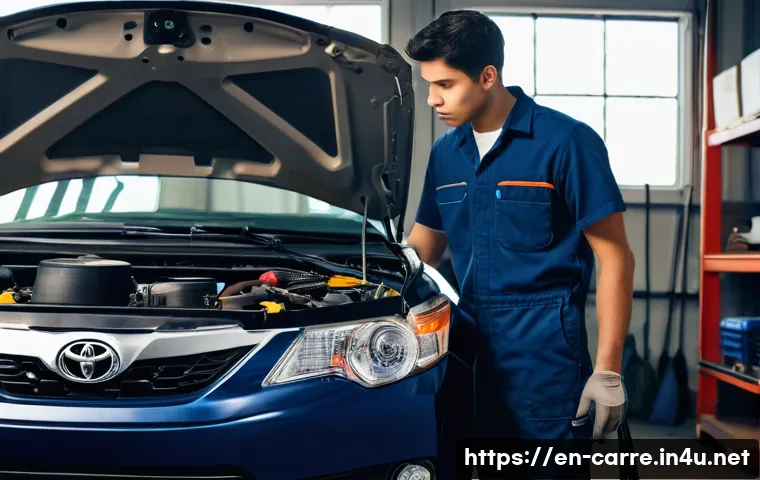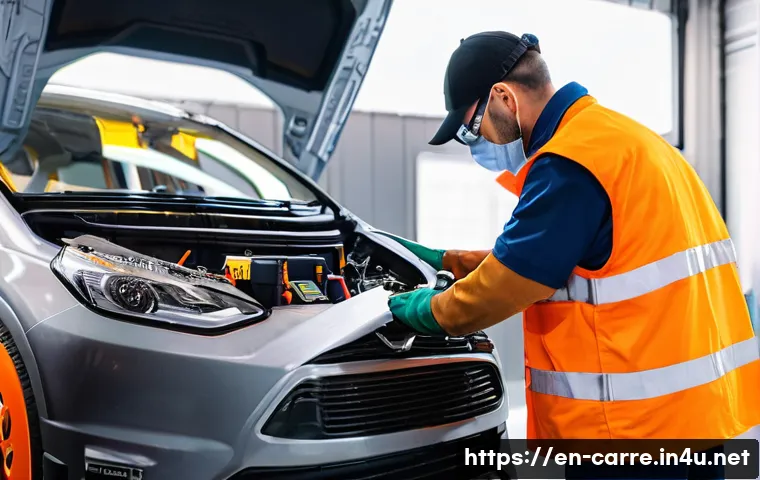
Learn a practical engine troubleshooting workflow for common no-start, misfire, overheating, and power-loss symptoms. Compare likely causes, diagnostic checks, repair priorities, and when a professional estimate is worth paying for.
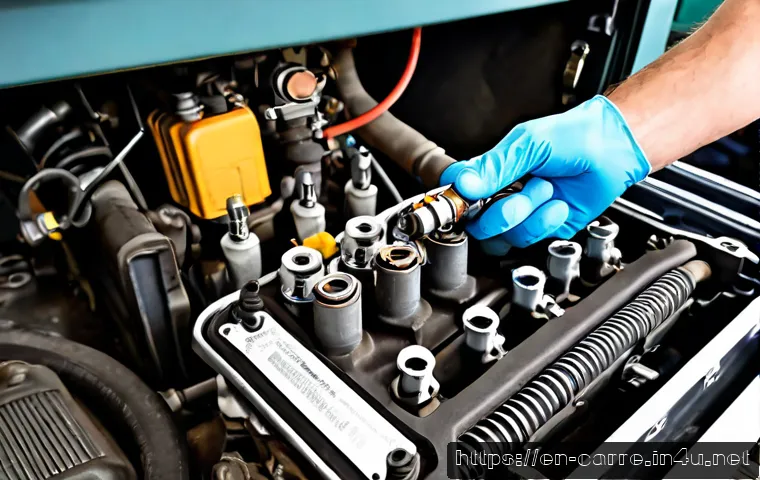
Start with the symptom, record the conditions, and scan for codes before buying engine parts. A code can point to a monitored system, but it does not prove which component has failed.
For a simple warning light or drivability concern, a basic scan-tool check may be a sensible first step; for overheating, repeated no-starts, or severe misfires, professional diagnostic testing can prevent a costly wrong repair.
The most useful repair estimate explains what was tested, what was found, and why the recommended part or service follows from those results. If the vehicle has a flashing warning light, significant overheating, smoke, or unusual mechanical noise, do not assume it is safe to keep driving.
The goal is not to guess the cheapest fix, but to choose the next test that narrows the fault.
At a Glance
- Scan first, replace later: save trouble codes and freeze-frame data before clearing anything.
- Match the test to the symptom: a misfire may need ignition, fuel, air, sensor, or compression checks.
- Stop and inspect sooner if there is overheating, a flashing check-engine light, smoke, major fluid loss, or severe noise.
| Diagnostic Route | Best Use Case | What It Can Help With | Key Cost Factors |
|---|---|---|---|
| DIY OBD-II scan tool | Warning light, stored code, basic symptom review | Reading codes and retaining available vehicle data | Scanner capability, vehicle coverage, and whether further testing is needed |
| Independent repair shop | Intermittent faults, misfires, starting issues, cooling problems | Hands-on electrical, fuel, ignition, and mechanical checks | Diagnostic time, labor estimate, parts choice, and warranty terms |
| Dealership diagnostic service | Brand-specific systems, software-related concerns, complex faults | Manufacturer-level software and model-specific technical experience | Diagnostic fee, software access, labor rate, and parts availability |
Start With the Symptom, Not the Part
The first useful question is not “Which part should I replace?” It is “What exactly is the engine doing, and under what conditions?” An engine that cranks slowly, starts but idles roughly, loses power only under load, or runs hot requires a different diagnostic path. Starting with the observed symptom helps avoid ordering replacement parts that do not solve the original problem.
Three Quick Checks Before Buying Parts or Booking a Repair
First, verify the symptom. Is the engine failing to start, cranking slowly, misfiring, overheating, or simply showing a warning light? Second, look for basic concerns such as low fluids, obvious leaks, loose connectors, damaged wiring, or battery-terminal issues. Third, scan the vehicle and keep the results. A diagnostic trouble code is valuable evidence, but it is not an automatic parts list.
Record Warning Lights, Operating Conditions, Noises, Smells, and Recent Work
Write down whether the problem occurs cold, after warming up, during acceleration, at idle, or after a recent repair. Note warning lights, smells, smoke, fluid leaks, stalling, vibration, and unusual sounds. If recent work involved the battery, ignition components, cooling system, intake system, or engine connectors, mention that when requesting a repair estimate. This information can reduce repeated testing and make a diagnostic appointment more productive.
When to Stop Driving and Arrange Professional Inspection
Arrange an inspection rather than continuing to drive if the engine is overheating, coolant is being lost, the check-engine light is flashing, smoke appears, or the engine produces serious abnormal noise. These signs can involve conditions that worsen with operation. Whether a specific vehicle is safe to drive depends on the exact symptom, engine condition, and inspection results.
A Practical Engine Diagnostic Workflow
A sensible workflow moves from simple checks to targeted tests. This protects the repair budget because it helps separate a basic connection, fluid, or battery problem from a fuel, ignition, sensor, timing, or internal mechanical fault.
Step 1: Check Battery Condition, Fluids, Visible Leaks, and Connectors
For a no-start or slow-crank complaint, begin with the battery and starter circuit basics. For overheating, check coolant level and look for visible signs of leakage. For nearly any engine issue, inspect accessible connectors and wiring around recently serviced areas. A visual inspection does not replace testing, but it can identify an obvious issue before diagnostic labor expands.
Step 2: Scan Codes and Retain Freeze-Frame Information
Use an OBD-II scanner to read stored codes and available freeze-frame information before clearing anything. Freeze-frame data may preserve the operating conditions present when a fault was recorded. Clearing codes too early can remove useful context, especially when the concern is intermittent. Record the code description, whether the light is currently on, and whether the fault returns after the symptom is verified.
Step 3: Confirm the Fault With Ignition, Fuel, Air, Electrical, or Mechanical Tests
The next test should follow the evidence. A misfire may require checks of ignition, fuel delivery, air leaks, sensor-related control issues, or compression. A no-start may call for battery, starter-circuit, fuel-supply, ignition, timing, immobilizer, or compression checks. When overheating is involved, the investigation may focus on coolant level, leaks, coolant flow, fan operation, thermostat concerns, or possible combustion-gas intrusion. Testing is what turns a code or symptom into a defensible repair recommendation.
Compare Common Engine Symptoms, Likely Causes, and Repair Value
Symptoms can overlap, so this section is a guide for deciding what to test next, not a remote diagnosis. The value of a repair depends on the confirmed cause, the vehicle’s condition, parts availability, and the labor required.
No-Start or Slow-Crank Problems
A slow crank can involve the battery or starter circuit. A normal crank with no start may involve fuel supply, ignition, engine timing, an immobilizer system, or loss of compression. Avoid assuming that a new battery or starter will solve every starting issue. Ask whether the technician verified battery condition, starter-circuit operation, fuel delivery, and spark or relevant engine-control inputs before recommending major parts.
Rough Idle, Misfire, and Flashing Check-Engine Light
A rough idle or misfire can come from ignition faults, fuel-delivery problems, air leaks, compression concerns, or sensor-related control issues. A flashing check-engine light deserves prompt attention because it indicates an active concern that should not be ignored. A scan tool can identify related codes, but confirmation may require component testing, air-leak checks, fuel testing, or mechanical testing. Replacing ignition or fuel parts solely because a code mentions a cylinder can leave the actual fault unresolved.
Overheating, Coolant Loss, and Temperature Warnings
Overheating may be associated with low coolant, leaks, restricted coolant flow, cooling-fan faults, thermostat problems, or combustion-gas intrusion. Do not treat a temperature warning as a routine maintenance reminder. Ask the repair shop which cooling-system condition was confirmed and whether the recommendation is based on a leak, flow problem, fan fault, thermostat concern, or another tested finding.
Reduced Power, Poor Acceleration, and Abnormal Fuel Use
Reduced power can overlap with misfire, air-intake issues, fuel-delivery concerns, sensor-related control problems, or mechanical limitations. Because the symptom may occur only under certain loads or temperatures, describe when it happens. A professional diagnostic service can be worthwhile when the concern is repeatable but the basic scan result does not clearly identify the failed component.
Avoid Costly Diagnosis Mistakes
The expensive mistake is often not the diagnostic fee. It is approving several unproven parts replacements while the original condition remains. A clear test plan is usually more valuable than a long list of possible parts.
Why Code-Based Parts Swapping Often Fails
A trouble code identifies a monitored system or condition. It does not automatically confirm that the named sensor, coil, injector, or other part has failed. Wiring, connectors, air leaks, fuel delivery, mechanical compression, and related systems can produce similar code patterns. Before authorizing a replacement part, ask what test confirmed the part is faulty.
When Inexpensive Maintenance Can Solve the Issue
Some concerns may be related to basic maintenance or a visible issue found during inspection. However, maintenance items should still match the symptom and test results. If a shop recommends routine service alongside a repair, ask which item addresses the immediate complaint and which item is preventive maintenance.
When Testing for Compression, Timing, or Internal Damage Is Worth the Diagnostic Cost
Further mechanical testing can be appropriate when a misfire persists after basic ignition, fuel, air, and electrical checks, or when symptoms suggest a timing or compression issue. These tests may prevent spending on external components when the underlying issue is mechanical. Ask what evidence makes the added test appropriate and how its result would change the repair decision.
DIY Tools vs Professional Diagnostics: What Should You Pay For?
Choose the tool or service level based on the complexity and risk of the symptom. A basic scanner is useful for information gathering. Professional diagnosis becomes more valuable when the result requires live testing, specialized equipment, or brand-specific knowledge.
What an Entry-Level OBD-II Scanner Can and Cannot Tell You
An entry-level scanner can help retrieve diagnostic trouble codes and may provide available freeze-frame information. It can support a better conversation with a repair shop and help you avoid clearing evidence. It cannot, by itself, prove a component failure or replace fuel, electrical, compression, timing, or cooling-system testing. When comparing scan tools, check vehicle compatibility and the data functions that matter for your vehicle.
When an Independent Shop May Be the Practical Choice
An independent repair shop may be a practical option for common engine diagnostics and repairs, particularly when it can explain its testing process and provide a written repair estimate. Ask about diagnostic fees, whether that time is applied toward repair work where applicable, parts options, labor coverage, and warranty terms. A transparent explanation matters more than a quick guess.
When Dealership-Level Software, Technical Bulletins, or Brand Expertise May Add Value
Dealership diagnostics may add value when the issue appears tied to manufacturer-specific software, complex electronic systems, or a model-specific condition. Brand expertise can also be useful when a general scan result does not identify the next test. Compare the estimate with an independent shop by looking at the diagnostic scope, not only the initial fee.
Selection Criteria and Repair Estimate Summary
Before approving work, confirm these points: the verified symptom, the codes and freeze-frame data retained, the tests already completed, the reason for each recommended part, labor and parts options, and warranty terms. Ask whether the estimate covers diagnosis only or diagnosis plus repair, and whether additional testing could be needed if the first repair does not resolve the concern. Compare independent-shop and dealership quotes by the evidence behind the recommendation, not just the total shown first. For scan tools, replacement parts, or diagnostic-service details, check the relevant product or service page for compatibility, coverage, and current terms.
Closing Thoughts
Engine troubleshooting works best as a sequence: verify the symptom, preserve diagnostic data, inspect basics, and test the most likely system. A code is a starting point, not a final verdict. When the symptom involves overheating, a flashing warning light, or a repeated no-start, careful professional testing may be the more economical decision than repeated parts swapping.
Useful Information
Keep a simple record: note when the issue started, outside conditions, warning lights, recent service, and any scan results. Bring that record to the diagnostic appointment. It can help the technician reproduce an intermittent concern and can make repair-estimate comparisons clearer.
Important Notes
This guide cannot determine the condition of a specific vehicle. Make, model, year, engine type, mileage, maintenance history, exact codes, leaks, noises, and local labor rates all need verification. Final repair cost, required parts, warranty coverage, and driving safety should be confirmed through an appropriate inspection and written estimate.
Frequently Asked Questions
Q1. Is it safe to drive with an engine misfire or a flashing check-engine light?
A1. A flashing check-engine light or active misfire should be treated as a reason to stop driving and arrange inspection when practical. The exact risk depends on the vehicle and cause, but continued operation can allow the condition to worsen. If the engine runs severely rough, loses power, overheats, smokes, or makes abnormal noise, seek professional guidance rather than assuming it is safe to continue.
Q2. How much should I expect to pay for an engine diagnostic test before repairs begin?
A2. Diagnostic service pricing varies by location, vehicle, symptom complexity, shop type, and the tests required. Request an estimate that separates the diagnostic fee from repair labor and parts. Also ask what tests are included, whether further testing requires approval, and whether any diagnostic charge is handled differently if you authorize repairs.
Q3. Should I buy a code reader and troubleshoot the engine myself, or take the car to a repair shop?
A3. A code reader is useful for retrieving codes and preserving freeze-frame information before a visit. DIY diagnosis may be suitable for basic inspection and information gathering if you can work safely and understand the limits of the tool. Choose a repair shop when the symptom requires fuel, electrical, compression, timing, cooling-system, or manufacturer-specific testing, or when the vehicle shows urgent warning signs.