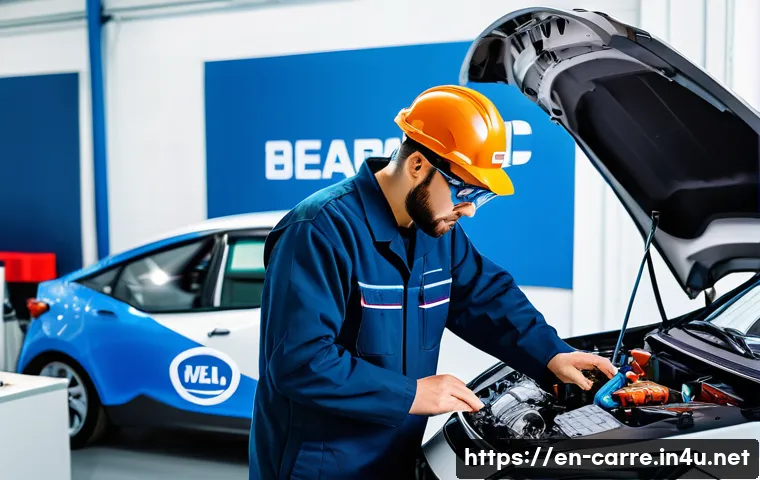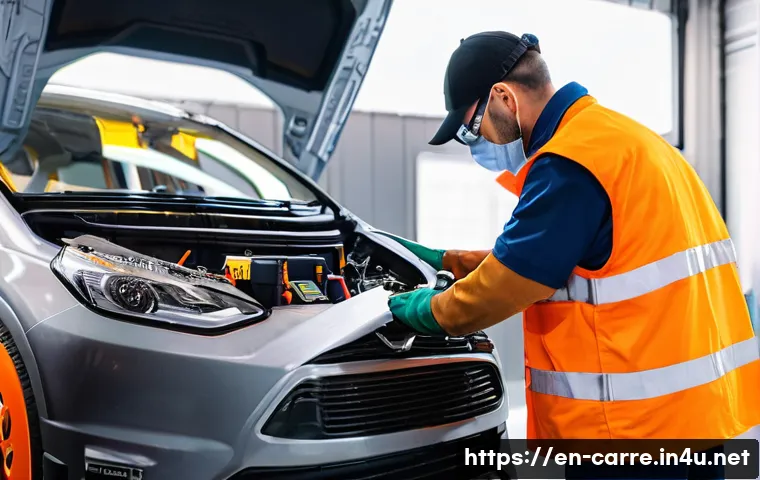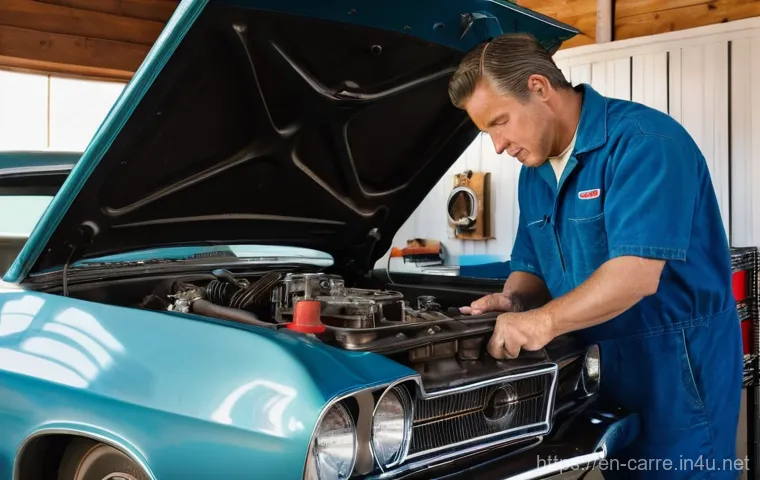
The automotive industry is evolving faster than ever, with new technologies and electric vehicles reshaping the landscape. For mechanics eager to stay ahead, gaining the right certifications can be a game-changer.

Not only do these credentials validate your skills, but they also open doors to better job opportunities and higher pay. If you’re ready to boost your expertise and career growth, understanding the top automotive certifications is essential.
Let’s dive into the most valuable credentials that can turbocharge your mechanic skills and set you apart in this competitive field.
Mastering Core Automotive Skills Through Certification
Understanding ASE Certification and Its Impact
Earning an ASE (Automotive Service Excellence) certification is often considered the gold standard for mechanics. From my own experience, obtaining ASE credentials not only boosted my confidence but also made a tangible difference during job interviews.
Employers immediately recognize these certifications as proof of solid, standardized expertise. ASE covers a wide range of specialties, from engine repair to electrical systems, which means you can tailor your certification path to your interests and career goals.
Plus, holding ASE certificates often leads to better pay and more job security, which I found motivating enough to keep advancing my skills.
Specializing in Electric Vehicle Maintenance
With electric vehicles (EVs) becoming mainstream, mechanics who understand EV systems are in high demand. Certifications like the Electric Vehicle Technician Certification from recognized bodies provide in-depth knowledge on battery technology, high-voltage safety, and electric drivetrains.
I remember the first time I worked on an EV after getting certified—it was eye-opening how different the approach is compared to traditional combustion engines.
This certification gave me a competitive edge, opening doors to workshops focusing on cutting-edge automotive tech.
Benefits of Manufacturer-Specific Certifications
Many car manufacturers offer their own certification programs, which are invaluable if you want to specialize in a particular brand. These programs often require hands-on training and testing, which ensures you’re up to date with the latest diagnostic tools and repair methods unique to that brand.
From my perspective, these certifications boosted my credibility when working at dealerships or specialty shops. The more brands you’re certified in, the wider your job prospects become, especially in premium or luxury vehicle markets.
Expanding Diagnostic and Electrical Expertise
Advanced Diagnostic Tools Certification
Automotive diagnostics have become increasingly complex with the rise of computer-controlled systems. Getting certified in advanced diagnostic tools, such as OBD-II scanners and manufacturer-specific software, is crucial.
I’ve seen firsthand how this certification helped me reduce troubleshooting time, leading to quicker repairs and happier customers. It’s a skill that pays off immediately in day-to-day work, especially when dealing with intermittent electrical faults or sensor failures.
Electrical Systems and Hybrid Technology
Hybrid vehicles combine traditional engines with electric motors, creating unique maintenance challenges. Certifications focused on hybrid technology teach you to navigate these systems safely and effectively.
When I first tackled hybrid repairs, the training I had received made a massive difference in understanding the interplay between components. This knowledge is not just theoretical; it’s practical and directly applicable, making you a go-to expert in a growing segment of the market.
Continuous Learning Through Online Platforms
Many certification bodies now offer online courses and testing, which makes it easier to keep skills current without disrupting your work schedule. I personally took advantage of these flexible options to stay updated on the latest automotive technologies.
The ability to learn at your own pace, revisit complex topics, and immediately apply what you’ve learned on the job is a game-changer, especially for those balancing work and personal life.
Developing Customer Service and Shop Management Skills
Importance of Communication Certifications
Technical skills alone don’t guarantee success in this industry. Certifications in customer service and communication can dramatically improve how you interact with clients and colleagues.
From my experience, clear communication helps build trust and repeat business, which are essential for long-term career growth. These certifications often include role-playing scenarios and conflict resolution techniques that really prepare you for real-world challenges.
Shop Management and Leadership Training
If you’re aiming for supervisory roles, certifications in shop management are invaluable. They cover everything from inventory control to team leadership and financial management.
I’ve seen colleagues who pursued these certifications transition smoothly into management positions, equipped with the tools to run efficient, profitable shops.
Even if you’re not managing a shop yet, understanding these principles makes you a stronger team player and a candidate for future promotions.
Balancing Technical and Soft Skills for Career Growth
Combining technical certifications with soft skills training creates a well-rounded professional profile. I found that employers value mechanics who can diagnose problems expertly and communicate solutions clearly.
This blend often leads to higher customer satisfaction and increased shop reputation, which can indirectly influence your earning potential. It’s a strategy I recommend to anyone serious about advancing in the automotive service industry.
Certification Comparison and Career Impact Overview
| Certification | Focus Area | Typical Duration | Career Benefits | Cost Range |
|---|---|---|---|---|
| ASE Certification | General automotive repair | 3-6 months per test | Industry recognition, higher pay | $45-$150 per test |
| Electric Vehicle Technician | EV systems and safety | 1-3 months | Access to EV repair jobs, niche expertise | $500-$1,200 |
| Manufacturer-Specific | Brand-specific repairs | Varies by brand | Dealership jobs, premium market access | $200-$2,000 |
| Advanced Diagnostic Tools | Diagnostics and software use | 1-2 months | Faster troubleshooting, job efficiency | $300-$800 |
| Shop Management | Leadership and operations | 3-6 months | Promotion opportunities, management roles | $400-$1,000 |
Leveraging Certifications for Higher Earnings and Job Security
How Certifications Influence Salary Negotiations

When it comes to negotiating pay, certifications often give mechanics the upper hand. From my personal experience, presenting your certifications during job interviews or performance reviews signals professionalism and commitment.
Employers are generally willing to offer better compensation to certified technicians because they reduce the risk of costly mistakes and improve service quality.
This direct link between credentials and salary is a strong motivator to pursue certifications consistently.
Job Security in a Rapidly Changing Industry
The automotive landscape is shifting fast, and staying certified helps you remain indispensable. Those mechanics who adapt and acquire new skills in emerging technologies like EVs and hybrids tend to have more stable careers.
I’ve seen shops prioritize certified technicians during layoffs or restructuring because their skills are harder to replace. This added job security is an often-overlooked benefit of investing time and money into certification programs.
Building a Reputation That Opens Doors
Certifications contribute to your professional reputation. Customers and employers alike tend to trust certified mechanics more, which can lead to referrals and new job opportunities.
In my career, I’ve noticed how certifications help build a network of contacts and open doors to specialty shops or even consulting roles. This reputation-building aspect is a long-term investment that pays off well beyond the initial certification process.
Choosing the Right Certification Path for Your Goals
Assessing Your Current Skills and Interests
Before diving into any certification program, it’s important to honestly assess where you stand and what excites you most in automotive repair. I found that focusing on areas I was passionate about, like electrical systems, made studying feel less like a chore and more like a natural progression.
Identifying your strengths and career aspirations helps narrow down the overwhelming options and keeps your learning focused and effective.
Considering Industry Trends and Job Market Demand
It’s smart to align your certification choices with current industry trends. For example, with EVs gaining market share rapidly, certifications in electric and hybrid vehicle maintenance are highly valuable.
I recommend researching job postings and talking to industry professionals to understand what skills are in demand. This strategic approach ensures that your certifications translate into real job opportunities and career growth.
Balancing Cost, Time, and Potential Return
Certifications vary widely in cost and time commitment, so balancing these factors is crucial. In my experience, investing more in certifications that have a strong reputation and clear career benefits is worth the upfront cost.
However, it’s also important to pace yourself so you don’t get overwhelmed. Planning a certification roadmap that fits your schedule and budget helps maintain motivation and avoids burnout.
In Conclusion
Mastering automotive skills through certification is a powerful way to advance your career and stay relevant in a fast-evolving industry. From enhancing technical knowledge to boosting job security and earning potential, these credentials open many doors. Investing time and effort into the right certifications can truly transform your professional journey. Keep learning, stay adaptable, and let your certifications speak for your expertise.
Useful Information to Keep in Mind
1. Certifications not only validate your skills but also increase your marketability to employers and customers alike.
2. Specializing in emerging fields like electric and hybrid vehicles can provide a significant competitive advantage.
3. Manufacturer-specific certifications offer unique opportunities in dealership and premium vehicle markets.
4. Balancing technical expertise with communication and leadership skills enhances overall career growth.
5. Online learning options make it easier to stay current without interrupting your work schedule.
Key Takeaways
Certifications serve as a bridge between your skills and career advancement, providing recognition, higher pay, and job stability. Selecting certifications aligned with your interests and industry trends ensures the best return on investment. Combining technical knowledge with soft skills creates a well-rounded profile that employers highly value. Continuous education, especially in new automotive technologies, is essential to maintain relevance and open doors to future opportunities.
Frequently Asked Questions (FAQ) 📖
Q: uestionsQ1: What are the most recognized certifications for automotive mechanics today?
A: The Automotive Service Excellence (ASE) certification remains the gold standard for mechanics aiming to prove their expertise. It covers a broad range of specialties like engine repair, brakes, electrical systems, and more.
Additionally, certifications from manufacturers such as Ford, Toyota, or Tesla can be highly valuable, especially if you want to specialize in specific brands or electric vehicles.
These credentials not only validate your skills but also show employers that you’re committed to staying current with industry advancements.
Q: How can earning certifications impact my career and salary as a mechanic?
A: From my experience and talking with peers, having recognized certifications can significantly boost your job prospects and earning potential. Employers often prioritize certified mechanics because it means less training time and higher quality work.
In many cases, certified technicians earn noticeably higher wages compared to non-certified counterparts. Plus, certifications can open doors to specialized roles like hybrid/electric vehicle repair, which are in growing demand and typically pay more.
Q: What’s the best way to prepare for automotive certification exams?
A: Based on what I’ve found most effective, a combination of hands-on experience and focused study is key. Working in a well-equipped shop where you can apply your skills daily helps reinforce what you learn.
There are plenty of prep courses and study guides tailored for ASE and manufacturer-specific tests, which break down complex topics into manageable sections.
Also, joining online forums or local study groups can provide valuable tips and support. Remember, consistent practice and real-world application make a huge difference when tackling these exams.