So, you’re thinking about becoming a certified automotive technician? That’s fantastic! I’ve been around cars my whole life, and let me tell you, there’s always a need for skilled mechanics.
Getting that Automotive Service Excellence (ASE) certification opens a lot of doors, but it definitely takes some serious studying. It can feel like navigating a maze of manuals and online resources, but trust me, having the right tools and information makes all the difference.
Let’s dive in and get a clearer picture.
Alright, let’s get down to brass tacks and figure out how to make this ASE certification thing less daunting.
Decoding the ASE Exam Structure
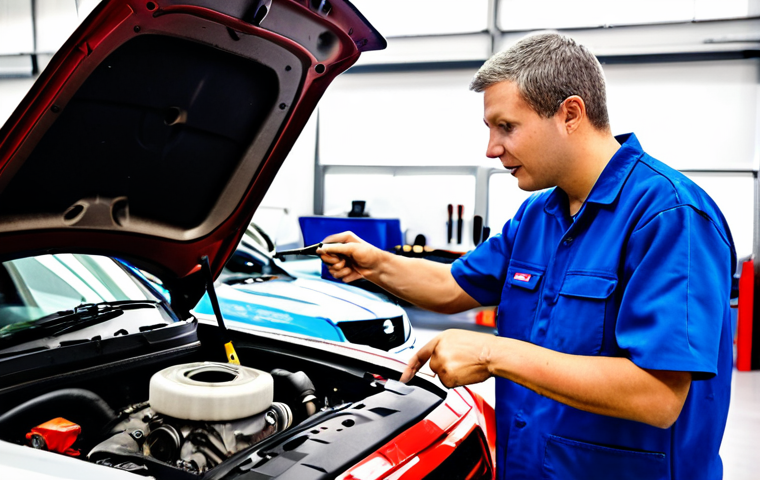
The ASE isn’t just one big test, it’s actually a series of specialized exams. You’ve got everything from engine repair to electrical systems to brakes – basically, if it’s a part of the car, there’s an ASE test for it.
The key is figuring out which area you want to specialize in. I remember when I first started, I thought I had to take them all! Talk about overwhelming.
Don’t make that mistake. Pick a focus, like engine repair, and nail that one first. Then you can branch out later.
Understanding the Test Format
These aren’t your typical multiple-choice tests. Expect questions that really make you think, scenarios that require you to diagnose problems like you would in a real shop.
There are also questions that test your knowledge of specific tools and procedures.
Getting Familiar with ASE Certification Categories
There are several different categories to choose from, including Automobile, Medium/Heavy Truck, School Bus, and Collision Repair. I started with the Automobile tests, specifically focusing on the A1-A8 series.
Stocking Your Arsenal: Essential Study Materials
You can’t go into this thing empty-handed. Think of your study materials as your tools. You wouldn’t try to fix an engine with just a wrench, right?
Same goes for the ASE. You need a variety of resources to really get a handle on things.
ASE Study Guides
These are gold. Seriously. ASE sells official study guides that are specifically designed to cover the content of each exam.
They are not the cheapest option, but they break down everything you need to know, plus they’re written by ASE, so you know the information is accurate.
When I was prepping for my engine repair exam, the ASE study guide saved my bacon.
Online Practice Tests
There are a ton of websites that offer ASE practice tests. Some are free, some you have to pay for, but they’re all worth checking out. Taking practice tests is like doing dress rehearsals before the big show.
It helps you get comfortable with the format of the test, identify your weak areas, and build confidence. I made a point of taking at least one practice test every week leading up to the exam.
Leveraging Online Forums and Communities
Don’t underestimate the power of community. There are forums and online groups dedicated to ASE certification. These are great places to ask questions, share tips, and connect with other people who are going through the same thing.
I learned so much from other mechanics who had already taken the exams. It’s like having a support group and a study group all rolled into one.
Hands-On Experience: The Underrated Key to Success
Books and practice tests are great, but nothing beats real-world experience. The ASE isn’t just about knowing the theory, it’s about being able to apply that knowledge in a shop.
So, get your hands dirty!
Working on Personal Vehicles
If you have a car (or a friend with a car), start tinkering. Change the oil, replace the brakes, diagnose a misfire – anything to get familiar with how things work.
My old beater became my personal training ground, and I learned more from fixing it than I ever did from reading a textbook.
Shadowing Experienced Technicians
Find a mentor, someone who’s been in the business for a while and knows their stuff. Ask if you can shadow them, even if it’s just for a few hours a week.
Watching a seasoned technician diagnose a problem and fix it can be incredibly insightful. Plus, they can offer tips and tricks that you won’t find anywhere else.
I spent countless hours watching my mentor work, and it was one of the best investments I ever made.
Seeking Out Internship Opportunities
If you’re still in school or just starting out, look for internship opportunities at local repair shops. An internship gives you a chance to gain real-world experience in a professional setting.
You’ll get to work on a variety of vehicles, learn from experienced technicians, and see how a shop operates.
Mastering Diagnostic Techniques: A Core Competency
A big part of being a certified technician is knowing how to diagnose problems. You can’t just start throwing parts at a car and hoping for the best. You need to be able to systematically identify the root cause of the issue.
Utilizing Diagnostic Tools and Equipment
Get familiar with the tools of the trade: scan tools, multimeters, pressure testers, etc. Learn how to use them properly and interpret the data they provide.
When I first started using scan tools, I was overwhelmed by all the information they spit out. But with practice, I learned how to filter out the noise and focus on the relevant data.
Developing a Logical Troubleshooting Process
Troubleshooting is like detective work. You need to gather clues, analyze the evidence, and draw conclusions. Start with the basics: Check the obvious things first, like fluid levels, fuses, and connections.
Then, move on to more complex tests. The key is to be methodical and logical. Don’t just guess.
Common Diagnostic Scenarios and Solutions
You should become familiar with common issues that regularly plague automobiles. Things like misfires, electrical problems, and brake issues. By studying some of the more common issues and understanding the general solutions, you’ll have a big advantage.
Time Management and Test-Taking Strategies

You’ve studied hard, you know your stuff, but you still need to perform well on the day of the test. And that means managing your time effectively and using smart test-taking strategies.
Pacing Yourself During the Exam
Don’t spend too much time on any one question. If you’re stuck, skip it and come back to it later. The goal is to answer as many questions as possible in the allotted time.
I always made a point of checking the clock every few minutes to make sure I was on track.
Understanding Question Types and Answering Strategies
Pay attention to the wording of the questions. Are they asking for the most likely cause, the best solution, or the first step in a diagnostic procedure?
The answer choices can be tricky, so read them carefully. Sometimes, the best answer is the one that’s the most comprehensive and logical.
Managing Test Anxiety and Stress
Test anxiety is real, and it can derail your performance. Before the test, take some deep breaths, visualize success, and remind yourself that you’ve prepared for this.
During the test, if you start to feel overwhelmed, take a moment to collect yourself. Remember, it’s just a test.
Staying Current: Continuous Learning and Professional Development
Once you get your ASE certification, it’s not like you’re done learning. The automotive industry is constantly evolving, with new technologies and procedures emerging all the time.
You need to stay current to remain competitive and provide the best possible service to your customers.
Subscribing to Industry Publications and Journals
Industry publications, such as *Motor Age* and *Automotive Engineering International*, can help you keep up with the latest trends and technologies. These publications often feature articles on new diagnostic techniques, repair procedures, and industry news.
Attending Workshops and Seminars
Workshops and seminars are a great way to learn about new technologies and network with other professionals. ASE offers a variety of workshops and seminars throughout the year, covering topics such as hybrid technology, advanced diagnostics, and electric vehicle repair.
Online Training Resources and Platforms
| Resource Type | Description | Examples |
|---|---|---|
| Video Training | On-demand videos covering various automotive topics. | Motor Age Training, Automotive Seminars |
| Online Courses | Structured learning with assessments and certifications. | ASE University, Tool and Equipment Manufacturer Training |
| Forums and Communities | Discussion platforms for sharing knowledge and asking questions. | iATN, Auto Technician Forum |
| Webinars | Live or recorded online sessions covering specific topics. | Identifix, ALLDATA |
Showcasing Your Certification: Leveraging ASE for Career Advancement
Getting your ASE certification is a big accomplishment, and you should use it to your advantage. It’s a valuable credential that can help you land a better job, earn more money, and build a successful career.
Highlighting ASE Certification on Resumes and Job Applications
Make sure your ASE certifications are prominently displayed on your resume and job applications. List the specific certifications you’ve earned and the dates you received them.
If you have multiple certifications, consider creating a separate section on your resume to highlight them.
Promoting Your Credentials to Customers
Let your customers know that you’re ASE certified. Display your certifications in your waiting room, on your website, and on your business cards. This will help build trust and confidence in your skills and expertise.
I know a lot of mechanics who make the mistake of not letting their customers know they’re ASE certified.
Seeking Opportunities for Advancement and Specialization
An ASE certification opens doors to a variety of career paths. You could become a shop foreman, a service manager, a diagnostic specialist, or even start your own repair shop.
You could also specialize in a specific area, such as diesel engines, hybrid technology, or collision repair. There you have it – a roadmap to conquering the ASE certification exams.
It’s a tough journey, but with the right preparation and mindset, you can definitely do it. Remember, it’s not just about passing the test. It’s about becoming a skilled, knowledgeable, and confident automotive technician.
Good luck!
Wrapping Up
So there you have it – a comprehensive guide to tackling the ASE exams. Remember, this certification isn’t just a piece of paper; it’s a testament to your skills and dedication. Keep learning, keep growing, and keep those wrenches turning. The road to becoming a top-notch automotive technician is paved with hard work, but the rewards are well worth the effort.
Handy Tips and Tricks
1. Invest in Quality Tools: Good tools make a world of difference. Start with the basics and gradually build your collection as you gain experience. Think of it as an investment in your future.
2. Stay Hydrated and Eat Well: Long hours in the shop can take a toll on your body. Make sure you’re drinking plenty of water and eating nutritious meals to stay energized and focused.
3. Network with Other Technicians: Join a local automotive association or attend industry events. Networking is a great way to learn new things, find job opportunities, and build relationships.
4. Take Advantage of Manufacturer Training: Many manufacturers offer training programs on their specific vehicles. These programs can give you a leg up when it comes to diagnosing and repairing complex systems.
5. Don’t Be Afraid to Ask for Help: Everyone needs help sometimes. If you’re stuck on a problem, don’t be afraid to ask a more experienced technician for assistance. It’s better to ask for help than to make a mistake that could damage a vehicle.
Key Takeaways
Preparation is Key: Thoroughly study using ASE study guides, practice tests, and online resources.
Hands-On Experience: Real-world experience is invaluable. Work on personal vehicles, shadow experienced technicians, and seek out internship opportunities.
Diagnostic Skills: Master diagnostic techniques by utilizing diagnostic tools and developing a logical troubleshooting process.
Time Management: Effective time management and test-taking strategies can improve your performance.
Continuous Learning: Stay current with the latest industry trends and technologies through publications, workshops, and online training.
Frequently Asked Questions (FAQ) 📖
Q: Okay, so how long does it really take to prepare for the
A: SE exams? A1: Honestly, it depends on your experience level. If you’ve been turning wrenches for years and have a solid foundation, you might get away with a few months of focused study.
But if you’re newer to the field or switching specialties, give yourself at least six months to a year. I remember when I was prepping for my engine repair certification, I spent nearly every evening after work poring over textbooks and watching videos.
It felt like forever, but it paid off in the end. Plus, consider that some certifications require proof of on-the-job experience before you can even sit for the exam.
Q: What are the best study resources for the
A: SE exams? I’m kind of overwhelmed. A2: I feel you!
There’s a ton out there. I’d start with the official ASE study guides, those are essential. But don’t rely solely on those.
I found Motor Age Training’s online courses to be really helpful; they break things down in a clear, easy-to-understand way. Also, check if your local community college or vocational school offers ASE prep courses.
Sometimes having an instructor to guide you and answer questions makes all the difference. Another trick? Find a study group!
Bouncing ideas and problems off other mechanics preparing for the test can be a huge help.
Q: How much does it cost to get
A: SE certified, and is it really worth it? I mean, it seems like a lot of money and time. A3: Yeah, the costs can add up.
Each ASE exam usually costs around $40 to $100, and then you’ve got the study materials, which can range from a few bucks for used manuals to hundreds for online courses.
Plus, retesting fees if you don’t pass the first time. Is it worth it? Absolutely!
I’ve seen firsthand how ASE certification can boost your earning potential and open doors to better job opportunities. Shops are often willing to pay more for certified technicians because it shows you’re competent and committed to your profession.
Plus, having those credentials gives customers more confidence in your work. Think of it as an investment in your future. I know a guy who landed a sweet gig at a dealership just because he had his master certification.
It definitely makes a difference.
📚 References
Wikipedia Encyclopedia