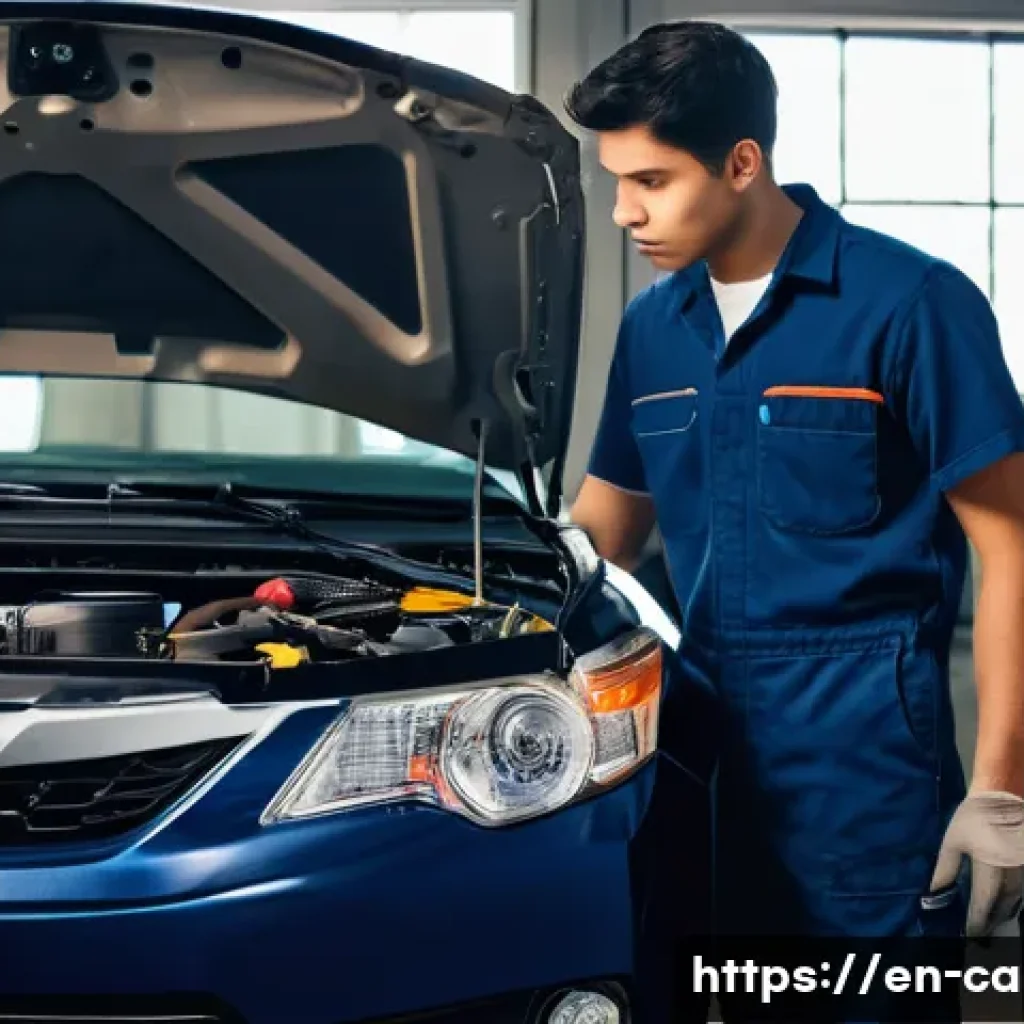
Hey everyone! If you’re anything like I was, you’re probably dreaming of that moment you ace your auto mechanic practical exam and dive headfirst into a rewarding career.
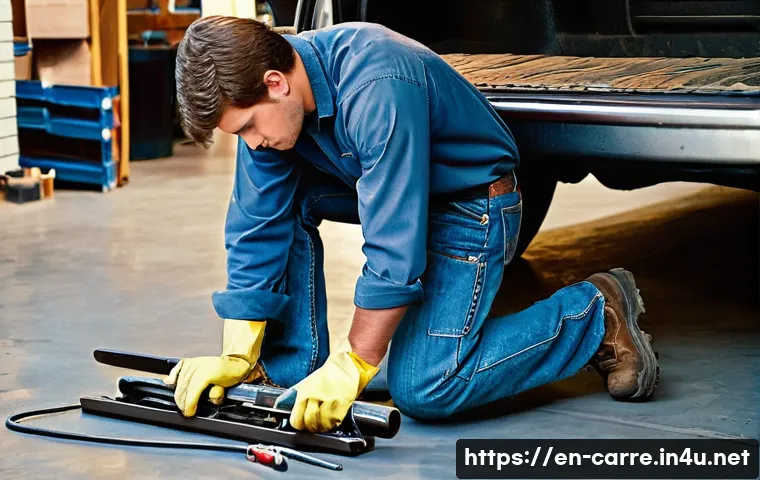
But let’s be real, finding the *right* vehicle to practice on can feel like navigating a maze. It’s not just about wrenching on any old car; it’s about picking a model that offers a fantastic learning curve, exposes you to common issues, and has parts that won’t cost an arm and a leg when you’re still honing your skills.
I’ve been there, staring at countless classifieds, wondering which car would truly prepare me for the real world, especially with how fast automotive technology is evolving.
We’re talking everything from tried-and-true combustion engines to the exciting (and sometimes daunting!) surge of electric vehicles. You need a practice partner that empowers you, not frustrates you with obscure problems or impossible-to-find components.
So, if you’re ready to stop guessing and start confidently prepping, you’ve landed in the right spot! Let’s uncover the absolute best cars for your mechanic exam prep, setting you up for success.
Choosing Your First Mechanical Mentor: Why Specific Models Matter
The Enduring Appeal of Older Japanese Sedans
When I first started out, I quickly learned that not all cars are created equal when it comes to hands-on learning. Trust me, you don’t want to wrestle with proprietary tools or spend hours hunting for obscure parts when you’re just trying to grasp the basics of an engine tear-down or a suspension overhaul.
That’s why, in my book, older Japanese sedans like the Honda Civic (think 7th to 9th generation) or a Toyota Camry (especially the 5th or 6th generation) are absolute gold.
These cars were built in an era where diagnostics were becoming more sophisticated but hadn’t yet reached the hyper-integrated complexity of today’s vehicles.
They offer a fantastic balance: modern enough to teach you about OBD-II systems and basic electronics, but simple enough that you can actually see and touch most components without a full engine hoist or a specialized computer.
I remember spending countless weekends in my buddy’s garage, a beat-up 2005 Civic as our guinea pig, and every session felt like a revelation. The parts are readily available, often affordable, and there’s a huge community online with diagrams and tutorials for nearly every repair imaginable.
This accessibility is crucial because you’re going to break things, and you’re going to make mistakes – that’s part of learning! Having a vehicle that forgives those learning curves by being easy to fix and cheap to repair is an absolute game-changer for your confidence and your wallet.
It builds a solid foundation before you dive into more complex European or modern American vehicles.
American Workhorses: Trucks and SUVs for Robust Training
Beyond the reliable sedans, don’t overlook the utility and learning potential of older American trucks and SUVs, particularly models from Ford (like an F-150 or Explorer from the early 2000s) or General Motors (think Silverado or Tahoe of similar vintage).
My own experience taught me that working on these larger vehicles provides a different, but equally valuable, set of skills. You’ll encounter more robust suspension systems, often body-on-frame construction, and a wider array of drivetrain options, including four-wheel drive.
This is incredibly practical because, let’s face it, a good chunk of the mechanic’s daily grind involves servicing these types of vehicles. The components are often larger, making them a bit easier to handle and identify for a novice, and the engine bays tend to be more spacious, offering better access than some cramped car engines.
While parts might sometimes be a bit pricier than for a Civic, the sheer volume of these vehicles on the road means aftermarket support is strong, and junkyards are often brimming with affordable donor parts.
Plus, you’ll get invaluable experience with tasks like replacing control arms, leaf springs, or even transfer cases, which are common jobs in any garage.
It’s a fantastic way to diversify your practical skills and prepare for the breadth of vehicles you’ll encounter in a professional setting.
Unpacking the Common Conundrums: What to Look For
Engine Bay Essentials: Fuel, Ignition, and Exhaust
When you’re picking a car for your mechanic exam prep, you’re not just looking for a vehicle; you’re looking for a classroom on wheels. My personal advice?
Focus on models known for common, well-documented issues with their fuel, ignition, and exhaust systems. Why these three? Because they are the bread and butter of internal combustion engine diagnostics and repair, forming the core of what you’ll be tested on and what you’ll encounter daily.
For instance, a common problem might be an older car with a check engine light due to an O2 sensor, or a misfire caused by worn spark plugs or ignition coils.
These are perfect scenarios for you to practice diagnostic procedures, from reading trouble codes with an OBD-II scanner to performing visual inspections and component testing.
I remember troubleshooting a persistent misfire on an old Ford Focus for hours, only to discover a cracked vacuum line – a simple fix, but the diagnostic process taught me so much about systematically eliminating possibilities.
You want a car where you can easily access and replace components like fuel injectors, fuel pumps (often a tougher but rewarding challenge), catalytic converters, and various sensors.
Learning how these systems interact and how to diagnose issues within them will give you an unparalleled edge.
Brake and Suspension Systems: The Foundations of Safety
Beyond the engine, the brake and suspension systems are absolutely critical areas for hands-on practice. These are components that wear out regularly and directly impact vehicle safety and handling, making them high-frequency repair items in any shop.
Look for a car that allows relatively straightforward access to its brake calipers, rotors, pads, and even master cylinder. Practicing a full brake job, including bleeding the lines, is fundamental.
On the suspension side, you’ll want to tackle everything from replacing shocks and struts to diagnosing and replacing control arms, ball joints, and tie rods.
My first attempt at replacing a strut assembly on an old Chevrolet Impala felt like open-heart surgery, but by the third time, I could do it almost blindfolded.
These types of repairs build muscle memory, teach you about torque specifications, and reinforce the importance of proper assembly and safety protocols.
Finding a car where these components are not overly integrated or require specialized tools (beyond common shop tools) is key. The more you can practice these repetitive, yet crucial, tasks, the more confident and competent you’ll become for your practical exam and beyond.
Navigating the Wiring Web: Electrical System Mastery
Demystifying the Dashboard: Sensors and Actuators
Modern vehicles, even older ones, are essentially computers on wheels, and a significant portion of diagnostic work revolves around electrical systems.
This is an area where many aspiring mechanics feel overwhelmed, but it’s incredibly rewarding to master. When selecting a practice vehicle, aim for one with a decent amount of accessible wiring and a range of sensors and actuators that you can test.
Think about common electrical issues like problematic window motors, door locks, or malfunctioning dashboard lights. These provide excellent opportunities to practice using a multimeter to check for voltage, resistance, and continuity, which are fundamental skills.
I’ve spent many an afternoon tracing wires, consulting wiring diagrams (a skill in itself!), and diagnosing phantom electrical drains – experiences that truly solidified my understanding of how a vehicle’s electrical network functions.
You’ll want to understand how different modules communicate via CAN bus systems, even if you’re not diving deep into module reprogramming just yet. The goal here is to get comfortable identifying components, understanding their purpose, and learning how to test them methodically.
Lighting and Charging: Powering Up Your Knowledge
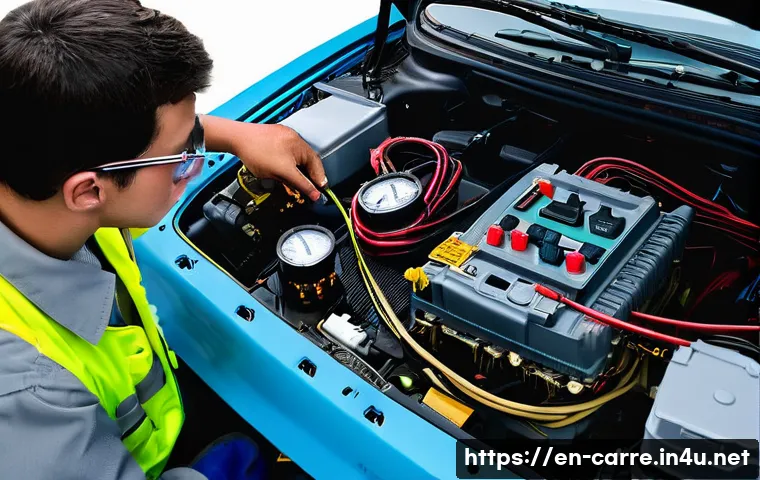
The charging and lighting systems are perfect entry points into automotive electricals. They are relatively self-contained and critical for vehicle operation.
Practicing how to test an alternator for proper output, diagnose a failing battery, or troubleshoot headlamp and tail light issues will give you a solid foundation.
These aren’t just simple bulb changes; they often involve understanding relays, fuses, and associated wiring. I once had a client’s old minivan with intermittent headlight issues that turned out to be a corroded ground wire – a tiny detail that caused a huge headache.
Learning to systematically check these components, understanding circuit diagrams, and becoming proficient with a test light and multimeter will make you an indispensable asset in any shop.
The more hands-on you get with these basic, yet essential, electrical circuits, the less intimidating the more complex systems will seem down the line.
It’s all about building confidence piece by piece.
Budget-Friendly Wrenching: Maximizing Your Practice Dollars
Sourcing Parts Without Breaking the Bank
Let’s be real, when you’re starting out, every dollar counts. One of the biggest advantages of practicing on popular, older vehicles is the sheer availability and affordability of parts.
New genuine parts can get expensive fast, but with common models, you have a wealth of options. Salvage yards (or “junkyards” as we often call them) become your best friends.
I’ve personally pulled countless components – from alternators to entire suspension assemblies – for a fraction of the cost of new parts. Online marketplaces like eBay or specialized automotive forums are also treasure troves for used but functional parts.
Furthermore, the aftermarket industry thrives on these popular models, offering numerous budget-friendly alternatives that are perfectly adequate for practice and even for many real-world repairs.
Always weigh the cost-benefit here: for critical safety components, new is usually best, but for learning and non-safety-critical parts, used or aftermarket options can save you a fortune.
This cost-effectiveness allows you to experiment more freely without the constant fear of an expensive mistake.
Smart Investments: Tools That Pay For Themselves
While the car itself can be cheap, you’ll need tools. But don’t feel pressured to buy everything at once. Focus on essential hand tools first: a good socket set, wrenches, screwdrivers, pliers, and a decent multimeter.
These are the workhorses. As you advance, you can gradually invest in more specialized items like an OBD-II scanner (a non-negotiable for modern cars), a torque wrench, or a floor jack and jack stands.
My advice is to buy quality where it counts (e.g., a good torque wrench) but don’t overspend on every single item. Many auto parts stores also offer tool rental programs for more expensive, less frequently used items like spring compressors or specialized pullers.
This strategy lets you gain experience without committing to a massive upfront investment. Remember, your skills are the most valuable tool you possess, and investing in learning those skills smartly will yield the greatest returns.
The Future is Now: Prepping for Hybrid and EV Tech
Understanding High-Voltage Safety and Systems
The automotive world is rapidly shifting towards electrification, and if you want to be a top-tier mechanic, understanding hybrid and electric vehicles (EVs) is no longer optional – it’s a necessity.
While getting a dedicated EV for practice might be out of budget for most, you can still prepare effectively. Focus on learning about high-voltage safety protocols.
This isn’t just theory; it’s about understanding how to safely disable a high-voltage system, identify high-voltage components (often marked with orange cables), and work around them without risk.
Many automotive training programs now incorporate dedicated modules on EV safety. You can also learn about regenerative braking, battery management systems, and the basic principles of electric motors and inverters.
My recommendation is to delve into online resources, manufacturer training videos (if available), and even consider certifications in hybrid/EV repair.
While you might not be swapping an EV battery pack in your backyard, knowing the principles and safety measures is absolutely critical. This forward-thinking approach will make you incredibly marketable in the rapidly evolving industry.
Beyond the Wrench: Diagnostic Software and Data Analysis
Another crucial aspect of modern vehicle repair, particularly with hybrids and EVs, is the reliance on diagnostic software and data analysis. Unlike purely mechanical systems, many issues in electrified vehicles manifest as software glitches or sensor data discrepancies.
This means developing your skills in interpreting live data streams from an OBD-II scanner, understanding diagnostic trouble codes (DTCs) specific to hybrid/EV systems, and even familiarizing yourself with manufacturer-specific diagnostic tools (though these are typically dealer-level).
You’ll need to think less like a traditional wrench-turner and more like a detective analyzing digital clues. Practice correlating sensor readings with vehicle behavior, understanding fault trees, and recognizing abnormal data patterns.
This is where the real future of automotive diagnostics lies, and getting comfortable with these concepts now will put you miles ahead of the curve. Even if your practice car is an old gas-guzzler, you can still develop your systematic diagnostic thinking, which is a transferable skill.
Finding Your Perfect Partner: Where to Look
Scouring the Classifieds and Online Marketplaces
So, you’re ready to find your practice partner. Where do you start? My go-to has always been local classifieds and online marketplaces like Craigslist, Facebook Marketplace, or even dedicated local car forums.
You’re not looking for a show car; you’re looking for a “project car” that’s running but has some minor issues you can tackle. Often, people are selling older vehicles for cheap because they don’t want to deal with a check engine light or a squeaky suspension.
These are perfect for you! Be honest about your intentions – sometimes sellers are more willing to negotiate if they know the car is going to a good home for a budding mechanic rather than just a scrap heap.
I’ve found some incredible deals just by being patient and checking listings regularly. Remember to bring a knowledgeable friend or mentor for a second opinion if you can, especially for that initial inspection.
A little rust is okay, but major frame damage or a completely seized engine might be more than you want to chew off for exam prep.
Salvage Yards and Automotive Auctions: Hidden Gems
Don’t underestimate salvage yards and automotive auctions as potential sources. While these often require a bit more expertise and sometimes a dealer’s license for auctions, they can be treasure troves.
Salvage yards are excellent for finding specific components, but sometimes they sell entire “runner” vehicles that have minor damage but are mechanically sound.
Auctions, particularly public ones, can have vehicles that were traded in or repossessed and are being sold at significant discounts. The key here is to do your homework.
Inspect the vehicle as thoroughly as possible within the auction’s limitations. You might find a car with easily repairable body damage but a perfectly functional engine and transmission, making it ideal for practicing mechanical work without worrying about aesthetics.
This approach requires a bit more courage and a keen eye, but the potential savings and learning opportunities can be immense.
Beyond the Wrench: Essential Soft Skills for Mechanics
Communication is Key: Explaining the “Why” and “How”
You might think being a great mechanic is all about turning wrenches and diagnosing problems. And while those are crucial, I’ve learned that truly excelling in this field also hinges on your soft skills, especially communication.
Imagine a customer bringing their car in, frustrated and confused. Your ability to clearly and simply explain the issue, the repair process, and why it’s necessary – without jargon – is invaluable.
During your practical exam, examiners aren’t just looking for your technical prowess; they’re also assessing your ability to articulate your actions and reasoning.
Practice explaining what you’re doing and why you’re doing it, even if you’re just talking to yourself or your imaginary customer in the garage. This skill isn’t just for customer service; it helps you logically break down problems and solidify your understanding.
I used to practice explaining repairs to my non-mechanic friends, and it forced me to simplify complex concepts – a truly enlightening exercise.
Problem-Solving and Persistence: The Mechanic’s Mindset
Finally, developing a strong problem-solving mindset and sheer persistence are perhaps the most vital “soft skills” for any aspiring mechanic. Cars are complex machines, and sometimes, diagnosing an issue feels like unraveling a mystery novel with missing pages.
You’ll encounter problems that don’t fit neatly into a diagnostic chart, or you’ll follow all the steps only to find the issue persists. This is where patience, critical thinking, and a refusal to give up truly shine.
Don’t be afraid to step back, re-evaluate, consult resources, or even ask for help. My mentor always told me, “The car isn’t trying to trick you, but it’s not going to give up its secrets easily either.” Embrace the challenge, learn from every setback, and develop a systematic approach to troubleshooting.
This resilience will not only get you through your practical exam but will define your success as a professional, allowing you to tackle any automotive challenge that rolls into your bay.
| Vehicle Type | Pros for Exam Prep | Cons for Exam Prep | Recommended Practice Areas |
|---|---|---|---|
| Older Honda Civic/Toyota Corolla/Camry | Highly reliable, abundant and affordable parts, simple diagnostics, large online community support, excellent for basic engine, brake, and suspension work. | May lack complexity for advanced systems, common issues can be too simple, limited exposure to heavy-duty components. | Engine tune-ups, brake jobs, suspension component replacement, basic electrical troubleshooting, OBD-II scanning. |
| Older Ford F-150/Chevy Silverado/Tahoe | Robust components, spacious engine bays, exposure to larger systems (4WD, heavy suspensions), great for heavy-duty repair practice. | Parts can be larger and heavier, potentially higher fuel consumption if test driving, some repairs might require more specialized tools. | Suspension overhauls, drivetrain components (U-joints, transfer cases), exhaust system work, larger engine component access. |
| Older Volkswagen Jetta/Golf (Gasoline) | Exposure to European engineering (though older models are simpler), good for understanding common quirks, strong aftermarket support. | Some parts can be slightly more expensive, specific tools sometimes needed, can have unique electrical gremlins. | Timing belt replacement, specific sensor diagnostics, clutch replacement (manual models), European-specific component familiarity. |
글을 마치며
Well, my fellow gearheads and aspiring pros, I truly hope this deep dive has given you a clearer roadmap for choosing your very first mechanical mentor on wheels. Remember, the journey to becoming a skilled mechanic is a hands-on one, filled with triumphs and, let’s be honest, a few scraped knuckles along the way. Picking the right practice vehicle isn’t just about saving money; it’s about setting yourself up for success, building invaluable confidence, and truly internalizing those critical skills that will serve you throughout your career. Dive in, get your hands dirty, and enjoy every single moment of learning. There’s nothing quite like the satisfaction of diagnosing an issue and then fixing something with your own two hands, knowing you’ve brought it back to life!
알아두면 쓸모 있는 정보
1. Don’t underestimate the power of proper documentation. Always make it a priority to get your hands on a service manual for your chosen practice vehicle, whether it’s a physical book or a digital download you find online. These manuals are your diagnostic bible, packed with crucial wiring diagrams, precise torque specifications, and invaluable step-by-step repair procedures that will guide you through almost any job. Trust me, trying to wing it without one is a recipe for immense frustration and potential damage to components. They are an absolutely invaluable resource that accelerates your learning curve significantly and reinforces professional best practices from day one. I’ve personally spent countless hours pouring over these diagrams, and it’s always paid off in the long run.
2. Safety first, always, no exceptions. Before you even think about turning a wrench or getting under a vehicle, ensure you have proper personal protective equipment, including robust eye protection and sturdy gloves. Most importantly, always make sure your vehicle is securely supported on high-quality jack stands. Never, ever rely solely on a floor jack for support; it’s simply too unstable and dangerous. Working on cars can be inherently hazardous, and taking shortcuts with safety protocols is simply not an option. Develop excellent safety habits from day one, and they will stick with you throughout your entire career, protecting both yourself and those around you. Your well-being and life are infinitely more important than any repair job.
3. Seriously consider joining an online automotive community. Whether it’s a specific forum dedicated to your chosen vehicle model, a general mechanic’s subreddit on Reddit, or a local enthusiast group on Facebook, the sheer wealth of shared knowledge and collective experience you’ll find there is truly incredible. You’ll often discover answers to obscure or challenging problems, unearth clever workarounds that aren’t in the manual, and connect with fellow enthusiasts and professionals who can offer invaluable advice and much-needed support. I’ve personally solved some of my trickiest diagnostic puzzles thanks to timely tips from experienced members of online communities, and it really makes you feel part of a bigger, supportive tribe of gearheads.
4. Invest wisely in an entry-level OBD-II scanner. Modern cars, even older ones, are highly computerized, and a diagnostic scanner is no longer considered a luxury item but an absolute necessity for anyone learning automotive repair. Even an inexpensive code reader can tell you a wealth of information when your “check engine” light illuminates, pointing you directly in the right direction for systematic troubleshooting. Learning to properly interpret these diagnostic trouble codes (DTCs) and understanding real-time live data streams is a fundamental skill that will save you immense amounts of time and effort in the long run. Think of it as having a crucial window into your car’s brain, revealing its secrets.
5. Embrace every failure as a genuine learning opportunity. Let’s be realistic: you *will* make mistakes, things *will* sometimes break unexpectedly, and some repairs *will* inevitably take far longer than you initially expected. That’s perfectly normal, especially when you’re just starting out and learning the ropes. Instead of allowing yourself to get discouraged or frustrated, view each setback, each misstep, and each stubborn bolt as a valuable chance to deepen your understanding and refine your technique. Every single misstep is a lesson learned the hard way, making you a more resilient, resourceful, and ultimately more knowledgeable mechanic in the end. My own biggest and most impactful lessons often came directly from my biggest screw-ups!
중요 사항 정리
Alright, let’s wrap this up with the absolute essentials, the golden nuggets of advice you need to take forward. Firstly, selecting a widely supported, older vehicle like a 7th-9th generation Honda Civic or a 5th-6th generation Toyota Camry provides an unparalleled learning platform due to the sheer abundance of affordable parts, robust community support, and their manageable complexity for beginners. Secondly, don’t shy away from older American trucks or SUVs; they offer crucial exposure to more robust systems and body-on-frame construction, significantly diversifying your hands-on skill set beyond passenger cars. Thirdly, prioritize vehicles with common, well-documented issues in critical areas such as fuel, ignition, exhaust, brake, and suspension systems – these are your core training grounds, the areas you’ll encounter most frequently. Finally, and this is crucial, remember that beyond mastering the technical wrench-turning skills, developing strong communication abilities, a systematic problem-solving approach, and an unwavering persistence are equally vital for a truly successful, reputable, and fulfilling career in the dynamic world of automotive repair. Your journey into the fascinating world of mechanics starts with a smart vehicle choice and an unyielding willingness to learn from every single bolt and every single wire.
Frequently Asked Questions (FAQ) 📖
Q: Okay, so I’m just starting out and feeling a bit overwhelmed! What kind of cars are truly the best bang for my buck when it comes to hands-on practice, especially if I want to tackle the most common issues without getting bogged down?
A: Oh, I totally get that feeling! It’s like standing in front of a massive buffet and not knowing where to start. From my own journey, and what I’ve seen countless successful mechanics do, you absolutely can’t go wrong with something reliable and widely available from brands like Honda, Toyota, or even older American sedans like a Ford Focus or Chevy Cruze.
Here’s why I swear by them: they’re ubiquitous, which means parts are super easy to find and often inexpensive. More importantly, they’re designed in a way that’s generally straightforward to work on, without too many proprietary tools or overly complex systems that can make you tear your hair out.
Think about it – common issues like brakes, suspension, basic engine diagnostics, and even some electrical troubleshooting are things you’ll see every single day in the shop.
Practicing on these models gives you a solid foundation in the mechanics you’ll actually encounter regularly. Plus, the sheer volume of online resources and repair manuals for these vehicles is a goldmine.
When I was starting, my beat-up Civic became my best friend for learning how to diagnose everything from a misfire to a tricky window motor. It really builds confidence when you can successfully troubleshoot and fix something that’s a common problem.
Q: The automotive world is changing so fast with EVs and all the new tech! Should I focus my practice on older, more traditional combustion engines, or dive straight into hybrids and electric vehicles to keep up with the times? It feels like a huge decision!
A: This is such a smart question, and honestly, it’s one I wrestled with a lot as the industry shifted! Here’s my two cents: You absolutely need a rock-solid foundation in traditional internal combustion engines (ICE).
Think of it like learning to walk before you run. The principles of fluid dynamics, basic electrical systems, suspension, brakes, and diagnostic procedures are largely universal, regardless of what’s powering the wheels.
So, definitely start with those tried-and-true ICE vehicles. They teach you the fundamental problem-solving skills and mechanical logic that are indispensable.
However, you’d be doing yourself a disservice not to at least understand the basics of hybrid and electric vehicles. I mean, the future is already here!
What I’d recommend, once you feel comfortable with ICE, is to gradually introduce yourself to hybrid systems. You might not need a full EV as a practice car right away, but understanding how regenerative braking works, high-voltage safety procedures, and the differences in powertrain layouts will set you light-years ahead.
Maybe find a friend with a Prius you can peek under the hood of, or look for workshops that offer introductory EV courses. It’s about building a broad skillset, not just specializing in one thing too early.
From what I’ve seen, the mechanics who truly excel are those who aren’t afraid to get their hands dirty on an old engine but also eagerly embrace new technologies.
Q: Finding a practice car sounds great, but my budget is tight, and I’m worried about unexpected repair costs while I’m still learning. How can I pick an affordable vehicle that gives me a good learning experience without costing a fortune in parts and repairs?
A: I hear you loud and clear on the budget front – been there, done that, and bought the Haynes manual! The key here is to be strategic. First off, don’t look for a “perfect” car; you’re looking for a learning tool.
Head to places where you might find diamonds in the rough: private sellers, maybe even smaller local auctions, or even checking out the “parts car” section of local classifieds.
What you’re eyeing isn’t necessarily a daily driver but something with known, fixable issues. Look for cars with common problems that are excellent learning opportunities, like a leaky valve cover gasket, worn suspension components, or a “check engine” light for a simple sensor fault.
These are usually inexpensive fixes in terms of parts, but they offer invaluable diagnostic and repair experience. Before you commit, do your homework on common issues for that specific make and model.
Forums are your best friend for this! My personal hack was always to bring a friend who knew a bit more than me (or had a good scanner!) to get a preliminary idea of what I was getting into.
Remember, a car that needs an engine swap is probably too much for a beginner’s budget and skillset, but one that needs a new alternator or a brake job?
Absolutely perfect. The real value isn’t just in the car itself, but in the accessible parts market and the wealth of online tutorials and cheap service manuals that will guide you through every step.
You want a car that lets you learn without making you feel like you’re constantly pouring money into a black hole.