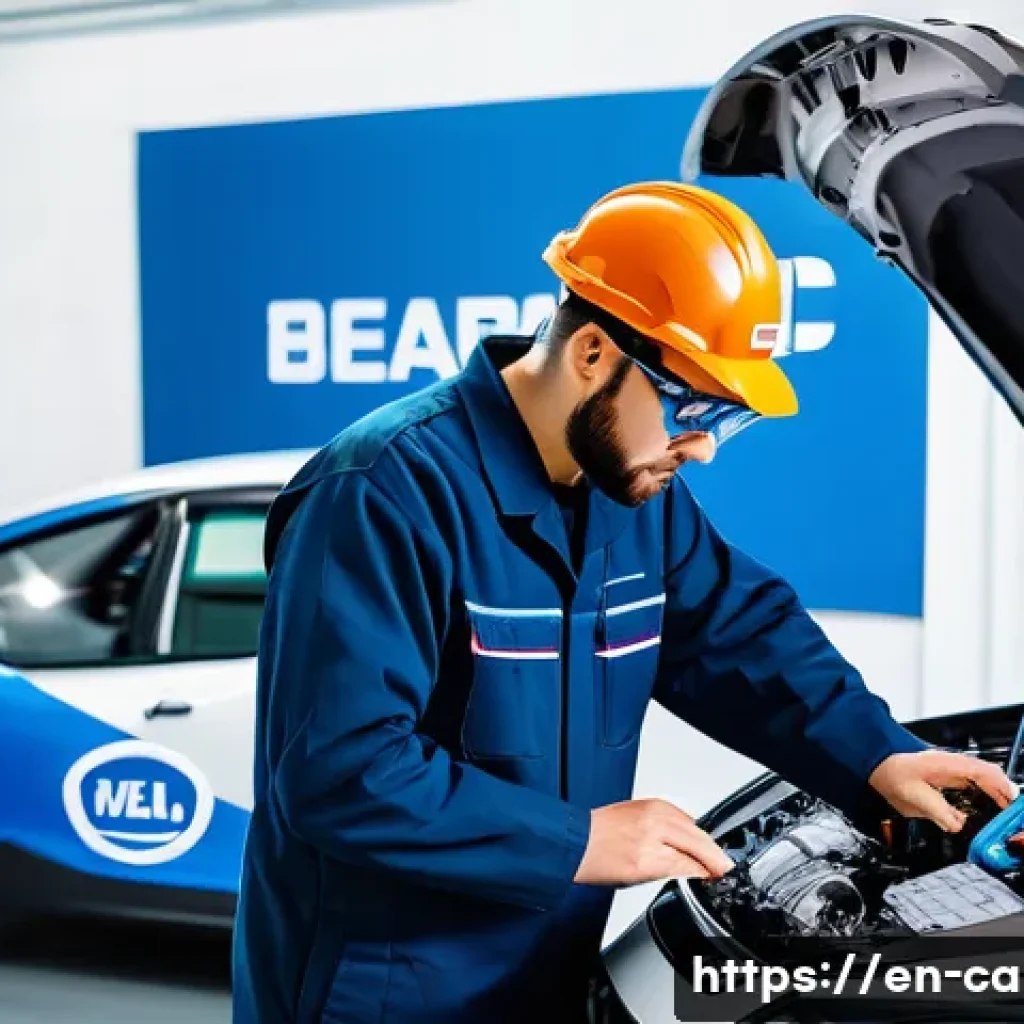
Negotiating your salary as an automotive technician can feel daunting, especially in a competitive job market. Yet, understanding how to present your skills and value effectively can make a significant difference in your paycheck.

From knowing industry standards to timing your requests right, there are smart strategies that can boost your earning potential. Having worked closely with professionals in the field, I’ve seen firsthand how a confident approach leads to better offers.
Whether you’re just starting out or seeking a raise, mastering negotiation can unlock new opportunities. Let’s dive deeper and explore proven tips to help you negotiate your salary like a pro!
Understanding Your Market Value as an Automotive Technician
Researching Salary Benchmarks
Knowing what the industry typically pays for your role is the foundation of any salary negotiation. I’ve found that using resources like the Bureau of Labor Statistics or automotive trade publications gives a realistic snapshot of salary ranges.
For example, technicians with specialized certifications or experience in hybrid and electric vehicles tend to earn at the higher end of the scale. Don’t just rely on national averages; local demand and cost of living can significantly influence pay.
By understanding these benchmarks, you’ll enter discussions with solid data rather than vague expectations.
Assessing Your Unique Skills and Experience
Your value goes beyond just the number of years you’ve worked. When I’ve talked with technicians who successfully negotiated higher pay, they often highlighted unique skills—like advanced diagnostics, customer service excellence, or proficiency with the latest automotive software.
Reflect on what sets you apart. Maybe you’ve completed manufacturer-specific training or have a track record of reducing shop downtime. These points can translate into real value for your employer and should be emphasized when discussing compensation.
Identifying Industry Trends That Impact Salaries
The automotive field is rapidly evolving, especially with the rise of electric vehicles and complex onboard computer systems. I’ve noticed that technicians who adapt quickly to these trends position themselves better for salary increases.
Staying current through continuous education or certifications signals to employers that you’re an asset worth investing in. Additionally, understanding how shifts in demand—for example, increased need for EV repairs—affect wage trends will help you frame your negotiation with timely relevance.
Timing Your Salary Negotiation for Maximum Impact
Choosing the Right Moment During Your Employment
Timing can be everything when it comes to negotiating pay. From my experience, the best moments are often right after you’ve completed a major project successfully or when your performance review is coming up.
These moments give you tangible achievements to point to, which makes your case stronger. Avoid negotiating during company downturns or when management is overwhelmed; instead, aim for times when your contributions are fresh in their minds and the company is financially stable.
Understanding the Hiring Cycle and Budget Periods
Many companies have specific budget cycles or periods when salary adjustments are more feasible. I’ve learned that aligning your negotiation with these windows increases your chances.
For example, some shops finalize budgets quarterly or annually, so initiating discussions shortly before these times shows you’re aware of company operations.
Additionally, new hires sometimes have more flexibility to negotiate starting salaries than established employees do, so if you’re entering a new role, don’t hesitate to ask early.
Leveraging External Job Offers Wisely
Having an external job offer can be a powerful negotiation tool, but it needs to be handled delicately. I’ve seen technicians mention competing offers to their current employer as leverage, but it’s crucial to maintain professionalism and avoid ultimatums.
Use the offer to open a dialogue about your value rather than as a threat. This approach often results in better offers while preserving good relationships.
Effective Communication Strategies During Negotiation
Presenting Your Case Confidently and Clearly
Confidence is key when discussing salary. I remember one technician who prepared a detailed list of accomplishments and presented it calmly during the meeting, which made a strong impression.
Practice what you want to say beforehand and use clear, positive language. Avoid apologizing or downplaying your request, as that can weaken your position.
Instead, focus on how your work benefits the company and why your proposed salary reflects that value.
Using Data and Examples to Support Your Request
Numbers speak louder than general statements. Whenever possible, back up your request with concrete data—whether it’s the number of vehicles serviced, revenue generated, or customer satisfaction scores.
I find that bringing examples of how you’ve saved the company money or improved efficiency resonates well with decision-makers. This factual approach shifts the conversation from subjective feelings to objective value.
Handling Objections and Negotiating Alternatives
Sometimes employers can’t meet your salary expectations right away. From my experience, it’s helpful to prepare for this by considering alternative benefits such as flexible hours, additional training, or performance bonuses.
When objections arise, acknowledge them respectfully and explore creative solutions. This flexibility often leads to a win-win outcome where both parties feel satisfied.
Building Your Professional Brand to Increase Negotiation Power
Gaining Certifications and Specialized Training
Certifications are more than just resume fillers—they’re proof of expertise. I’ve worked alongside technicians who earned ASE certifications or manufacturer-specific credentials and saw their salaries increase accordingly.
Investing time and sometimes money into these credentials signals commitment and competence. Employers recognize this and often reward it with higher pay or advancement opportunities.
Networking Within the Automotive Community
Building relationships with peers and industry leaders can open doors to better job offers and insider knowledge about salary trends. I’ve found that attending trade shows, joining professional associations, or participating in online forums helps you stay informed and connected.
Sometimes, just hearing how others negotiate successfully gives you ideas to try yourself.
Showcasing Your Achievements Publicly
Don’t be shy about sharing your successes. Whether it’s through social media posts, shop newsletters, or customer testimonials, highlighting your achievements builds your reputation.

I’ve noticed that technicians who actively promote their skills and results tend to be seen as more valuable, which can boost their negotiating stance.
Understanding the Role of Soft Skills in Salary Discussions
Demonstrating Strong Communication and Teamwork
Technical skill alone isn’t enough. From personal observation, technicians who communicate clearly with customers and collaborate well with colleagues often receive better evaluations and pay raises.
Employers value those who can explain complex issues simply and maintain a positive shop atmosphere. Highlighting these soft skills can differentiate you in negotiations.
Showing Reliability and Problem-Solving Ability
Being someone your manager can count on during busy or challenging times makes a difference. I’ve seen technicians who consistently step up earn raises because they reduce operational disruptions.
Sharing specific examples of how you’ve solved problems or taken initiative shows you’re indispensable.
Building a Positive Relationship with Management
A good rapport with supervisors can influence salary outcomes. When I worked with technicians who had open, respectful communication with their bosses, they were more comfortable discussing compensation and more likely to receive favorable terms.
Invest time in building trust and showing your commitment to the company’s success.
Comparing Salary Components Beyond Base Pay
Understanding Benefits and Perks
Sometimes the total compensation package matters more than just the salary figure. I’ve encountered technicians who negotiated improvements in health benefits, retirement contributions, or paid time off, which added significant value.
Don’t overlook these components when evaluating offers or asking for raises.
Evaluating Bonuses and Incentives
Performance bonuses or commission on upsells can boost your overall earnings. If your shop offers these, ask how you can maximize them. I know technicians who focused on upselling recommended services or improving customer satisfaction to increase their bonuses, which helped them earn substantially more.
Considering Work-Life Balance and Job Satisfaction
Sometimes a slightly lower salary with better hours or less stress can be worth more in the long run. When negotiating, reflect on what matters most to you.
I’ve found that technicians who prioritize a healthy work-life balance often perform better and stay longer with employers, creating more opportunities for future raises.
Salary Ranges and Key Factors Affecting Earnings
How Experience and Location Influence Pay
Technicians with more years under their belt and those working in urban or high-demand areas typically earn more. For instance, someone in a metropolitan region with high living costs can expect a higher salary than a counterpart in a rural town.
Experience also plays a critical role, with senior technicians commanding higher rates due to their expertise.
Impact of Specialization on Salary
Specializing in certain vehicle types or technologies—like diesel engines, hybrids, or luxury brands—often leads to better pay. From my conversations with industry professionals, shops that handle specialized repairs are willing to pay a premium for qualified technicians who can handle these complex jobs.
Company Size and Type Affecting Compensation
Larger dealerships or national chains may offer different salary structures compared to independent shops. I’ve noticed that while independents sometimes offer more flexible perks, bigger companies often provide more structured raises and benefits.
Understanding these dynamics helps you tailor your negotiation approach.
| Factor | Typical Impact on Salary | Examples |
|---|---|---|
| Experience | Increases with years and skill depth | Entry-level: $35k–$45k; Experienced: $55k–$70k+ |
| Location | Higher pay in urban/high cost areas | NYC vs. rural Midwest differences |
| Specialization | Premium for hybrid, diesel, luxury techs | Hybrid techs earn 10–15% more |
| Company Type | Varies between dealerships and independents | Dealerships may offer bonuses; independents more perks |
글을 마치며
Understanding your market value as an automotive technician empowers you to negotiate confidently and fairly. By researching industry standards, highlighting your unique skills, and choosing the right timing, you can maximize your earning potential. Remember, building strong communication and professional relationships also plays a key role in successful negotiations. Keep evolving with industry trends and continuously showcase your value to stay ahead.
알아두면 쓸모 있는 정보
1. Always gather localized salary data since pay can vary significantly by region and shop type.
2. Certifications and ongoing training often lead to higher wages and better job security.
3. Timing your negotiation around performance reviews or budget cycles increases your chances of success.
4. Soft skills like communication and teamwork can be just as valuable as technical expertise.
5. Consider the full compensation package, including benefits and bonuses, not just base pay.
중요 사항 정리
Knowing the current salary benchmarks and how your experience fits into them is essential before negotiating. Emphasize your specialized skills and professional development to stand out. Be strategic about when and how you approach salary discussions, aligning with company financial cycles and your achievements. Effective communication backed by data strengthens your case, while flexibility with alternative benefits can create win-win outcomes. Finally, cultivating your reputation and relationships within the industry enhances your long-term earning potential.
Frequently Asked Questions (FAQ) 📖
Q: How can I research the right salary range for an automotive technician before negotiating?
A: The best approach is to start with online salary databases like Glassdoor, Payscale, or the Bureau of Labor Statistics, which provide up-to-date salary ranges based on location and experience.
Additionally, talking to peers or mentors in the automotive industry can give you insider insights about what’s typical in your area. Don’t forget to consider certifications, specializations, and the type of shop you’re applying to, as these factors often influence pay.
When you come prepared with solid data, you’ll feel more confident and be taken seriously during negotiations.
Q: What’s the best time to negotiate a raise or a starting salary as an automotive technician?
A: Timing is everything. For a new job, it’s ideal to negotiate after receiving the job offer but before accepting it—this is when you have the most leverage.
If you’re already employed, performance reviews or after successfully completing a major project are perfect moments to bring up a raise. Also, be mindful of the company’s financial health; asking during busy or profitable periods increases your chances.
From my experience, approaching the conversation with clear evidence of your value right after a win makes a big impact.
Q: How should I present my skills and experience to justify a higher salary?
A: Focus on concrete examples that showcase your expertise, like complex repairs you’ve handled, certifications you’ve earned, or efficiency improvements you’ve implemented.
Sharing specific numbers—such as how you reduced repair times or increased customer satisfaction—adds credibility. Use confident but respectful language, and emphasize how your skills save the company time and money.
I’ve seen technicians who highlight their ongoing training and adaptability stand out, making it easier to argue for a raise that reflects their true worth.